

Inclusive Hiring: A Practical Guide for Recruiters Building Diverse, High-Performing Teams

A practical guide to inclusive hiring
Built with insight from the Includability community, for recruiters who want hiring processes that actually work
Inclusive hiring is not a campaign, a policy document, or a well-worded careers page. It is a set of decisions, behaviours, and systems that shape who gets through your door and who quietly drops out along the way.
This guide brings together lived experience and practitioner insight from the Includability community to help recruiters move beyond surface-level activity and embed inclusion into everyday hiring practice.
1. Move beyond PR and fix the structure underneath
Hannah Keartland from Keartland and Co, describes inclusion using the Impact Iceberg.
What we see above the surface are visible actions:
- awareness days
- social media posts
- one-off talks or lunches
What actually creates impact sits below the waterline:
- how decisions are made
- how roles are defined
- how success is measured
- who has influence in hiring rooms
Recruiter actions that matter
Focus your effort on the invisible but powerful enablers:
- Decision-making
↳ Who is involved in hiring decisions and who is not
↳ Avoid single-voice or “gut feel” outcomes - Transparency
↳ Define selection criteria and scoring before interviews
↳ Share this consistently across panels to reduce bias - Recruitment metrics
↳ Shift from “culture fit” to output and contribution
↳ Measure what success in role actually looks like
Inclusive hiring starts with structure, not statements.
2. Redefine what you mean by talent
Traditional competency frameworks often box people in. They reward linear careers and penalise anyone whose path looks different.
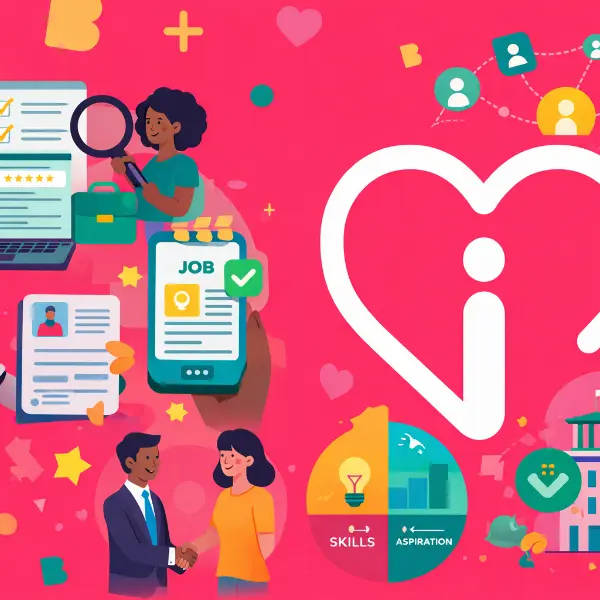
James from Includability, advocates focusing on three simple but powerful data points instead:
- Skills and capability
↳ What can this person actually do today - Aspiration
↳ What are they motivated by and where do they want to grow - Availability
↳ Where do opportunity and business need intersect
When recruiters focus on these three areas, hidden talent surfaces quickly. This approach benefits career changers, returners, neurodivergent candidates, carers, and anyone whose CV does not follow a neat upward line.
3. Design interviews and onboarding for accessibility
Inclusive hiring does not stop at the job advert. Interviews and inductions are often where candidates are unintentionally excluded.
Alex Manners, Neurodiversity & Autism Speaker, highlights that many effective adjustments cost nothing.
Practical changes recruiters can make
- Pre-interview familiarity
↳ Send photos of the building, entrance, toilets and kitchen
↳ Share the interview format and timings in advance - Clear communication
↳ Avoid idioms and vague requests
↳ Replace “Can you do this?” with “Please do this by Friday at 3pm” - Predictability over pressure
↳ Structure questions consistently
↳ Avoid surprise tasks unless they are essential to the role
These adjustments reduce anxiety, improve performance, and benefit all candidates, not just neurodivergent ones.
4. Treat returners as talent, not risk
Career breaks are a reality, not a weakness.
Annie Abelman from Mento Mums, stresses that supporting parents and carers returning to work is a commercial issue, not a charitable one.
Recruiter-led best practice
- Phased returns
↳ Build re-induction plans that rebuild confidence and capability - Flexibility advocacy
↳ Challenge default expectations like late-afternoon socials
↳ Normalise flexible working from the outset, not as a concession
When recruiters champion returners, organisations retain experience, reduce churn, and widen their talent pool overnight.
5. Use internal networks as hiring intelligence
Melissa Sterling from Halfords, recommends treating colleague networks as strategic assets rather than optional extras.
How recruiters can use networks effectively
- Ask networks to review job descriptions for language and tone
- Sense-check recruitment campaigns before they go live
- Use networks as sounding boards for candidate experience
This approach improves relevance, credibility, and trust with communities you are trying to reach.
6. Replace “culture fit” with “culture add”
One of the most common barriers to inclusive hiring is the phrase “they didn’t quite fit”.
Culture fit often means:
- they felt familiar
- they sounded like us
- they made us comfortable
Inclusive hiring asks a different question:
What does this person add that we are currently missing?
Look for:
- lived experience
- challenge, not just alignment
- difference that strengthens performance
7. Make inclusion visible and consistent
Candidates make decisions based on signals.
If inclusion only appears during awareness months, many candidates will self-exclude before applying.
Recruiter checklist
- Share inclusion commitments on careers pages
- Show flexible working clearly, not in small print
- Talk openly about adjustments and support
Visibility builds psychological safety before the first application is even submitted.
What inclusive hiring looks like in practice
Recruiters who lead inclusive hiring consistently:
- focus on outputs, not sameness
- design transparency into selection
- reduce anxiety and ambiguity
- advocate for flexibility and fairness
- use data and lived experience together
- treat inclusion as a system, not a slogan
Inclusive hiring is not about lowering standards.
It is about defining them properly, applying them fairly, and giving more people a genuine chance to succeed.
Done well, it builds stronger teams, protects your employer brand, and creates organisations people actually want to work for.
Tags


Hiring... Only If You’re Ready to Change the Game



